 William BensonVIEW PROFILE →
The Real Reason Affordability Has Taken Over the 2026 Midterm Conversation
Forget the usual campaign talking points. With Election Day less than 70 days out, one thing is drowning out everything else on the doorstep: what it actually costs to live in America right now.
Forget the usual campaign talking points. With Election Day less than 70 days out, one thing is drowning out everything else on the doorstep: what it actually costs to live in America right now.
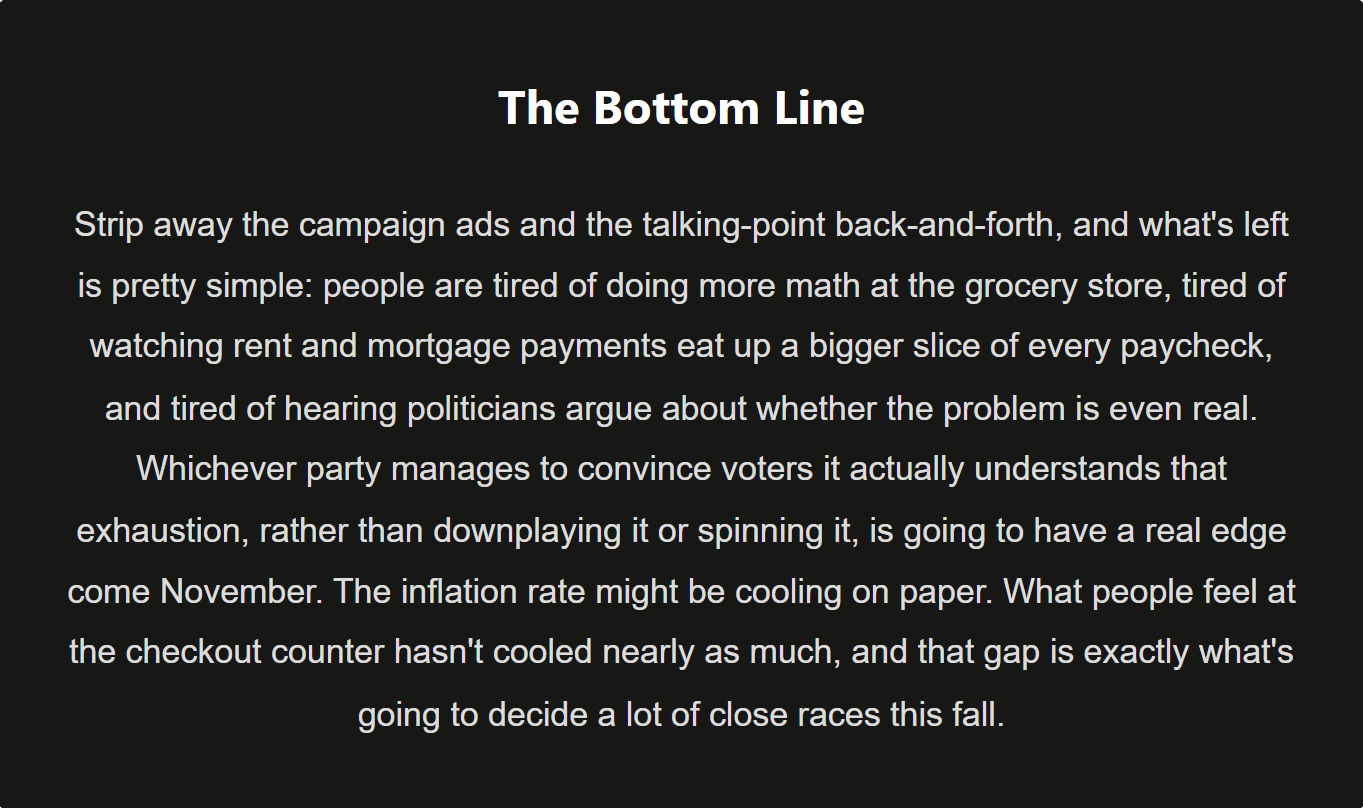
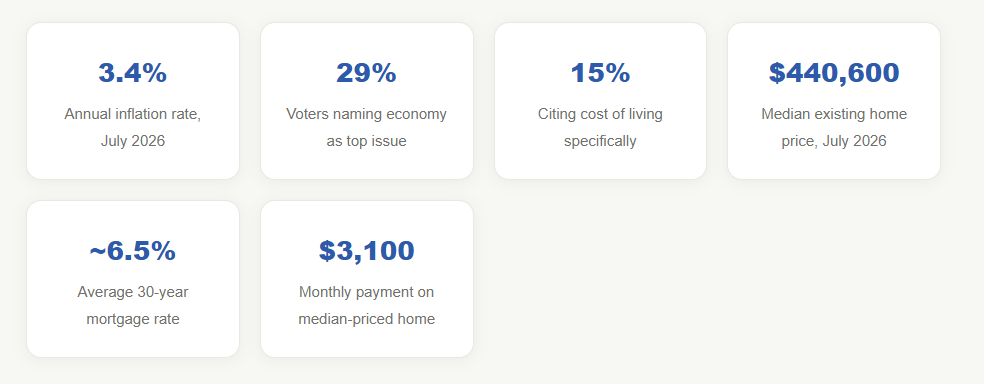
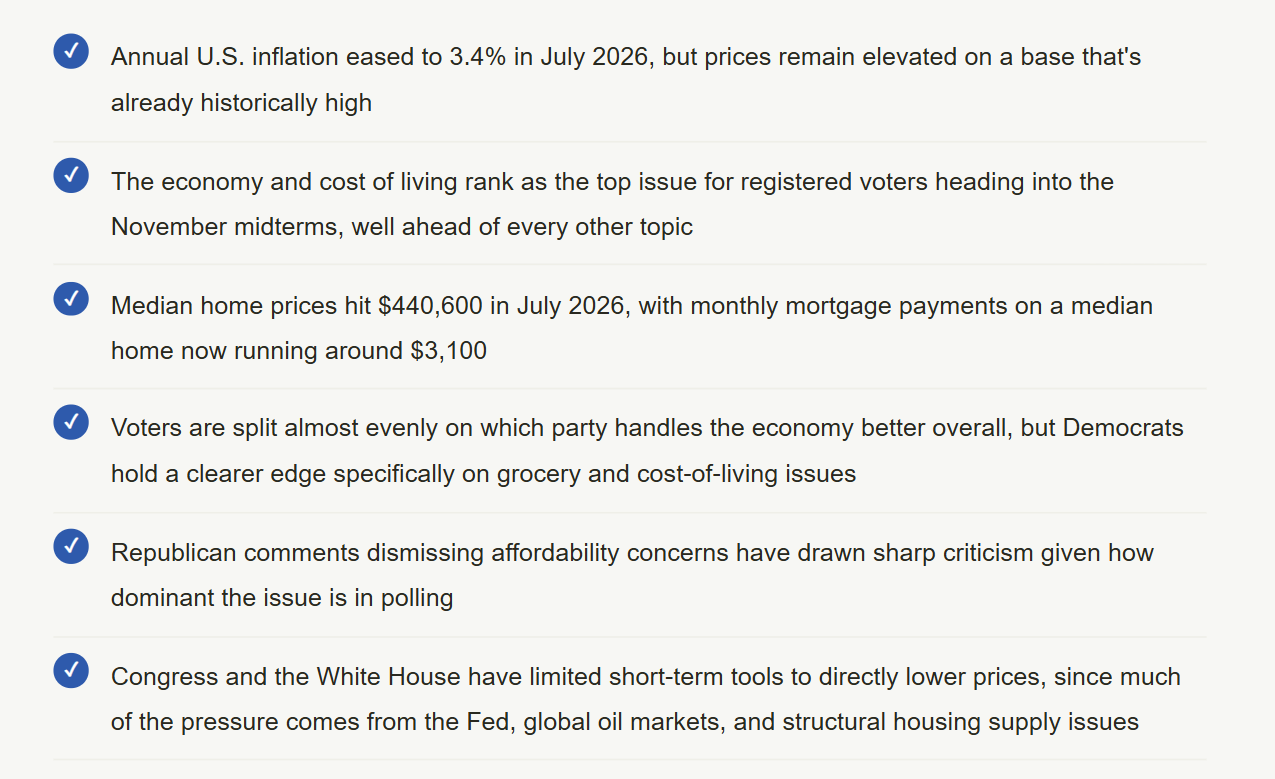
Ask ten different people what's actually bothering them about the economy right now, and you'll get some version of the same answer nine times out of ten: it's not one big dramatic thing, it's everything, all at once, adding up a little more every single month. The gas station sign. The number on the checkout receipt that used to feel like a mistake and now just feels normal. The rent renewal letter that shows up like clockwork with a bigger number on it. That slow-burn frustration has turned into the single most talked-about issue heading into November's midterms, and honestly, it's not close. The Numbers Behind the Frustration Here's the part that tends to get lost in the noise: inflation itself has actually been cooling off. The Bureau of Labor Statistics put annual inflation at 3.4% for the twelve months ending in July 2026, down slightly from 3.5% the month before, and that continues a gradual, if bumpy, slowdown from where things stood a couple years back. On paper, that sounds like good news, and in a narrow technical sense, it is. But here's the catch that a lot of official reports gloss over. A lower inflation rate doesn't mean prices are coming back down, it just means they're going up a little slower than before. Everything that got more expensive over the last few years is still that expensive, and then some. Shelter costs are still running around 3.2% higher year over year and remain the single biggest driver of the monthly CPI number, accounting for roughly two-thirds of the recent increase all by itself. Gasoline prices, meanwhile, jumped nearly 25% compared to a year ago, largely tied to the ripple effects from the ongoing tension with Iran pushing energy markets around. So even with the "official" number improving, the day-to-day reality for a lot of households hasn't caught up to that improvement, and honestly might not for a while. A cooling inflation rate and an affordable cost of living are two completely different things. Prices aren't rising as fast anymore, sure, but they're rising from a base that's already brutally high, and that distinction is exactly what's fueling the anger heading into November. Why This Became THE Issue, Not Just AN Issue Polling from the summer of 2026 makes the picture pretty unambiguous. A Pew Research Center survey found that nearly three in ten registered voters, 29%, named the overall economy as the single issue they most wanted congressional candidates to talk about, more than double the next closest topic, immigration, which pulled in just 7%. Break that economic concern down further and cost of living specifically, not jobs, not the stock market, just the basic sticker price of everyday life, was the number one driver at 15%. That kind of gap doesn't happen by accident. It happens when a problem is universal enough that it cuts across every demographic, every region, and every income bracket at the same time. You don't need to follow politics closely to notice that your grocery bill jumped. You don't need a subscription to a financial newsletter to feel a mortgage payment that's nearly double what it would've been on the same house five years ago. That's exactly why affordability has become such a dominant storyline this cycle: it's one of the rare issues where basically everyone, regardless of who they voted for last time, is starting from the same lived experience.
The Housing Squeeze Nobody Can Seem to Fix
If you want to understand why so many people feel like they're running in place financially, housing is where you should look first. The National Association of Realtors reported a median existing-home price of $440,600 in July 2026, marking the 36th straight month of price increases. Meanwhile, mortgage rates have stayed stubbornly parked in the mid-6% range, a level that, combined with those elevated prices, means the monthly payment on a median-priced home now runs around $3,100, up from roughly $1,700 back in early 2020. To comfortably afford that, a household would realistically need to be pulling in over $120,000 a year, nearly double the income that was needed for the same math just a few years back.
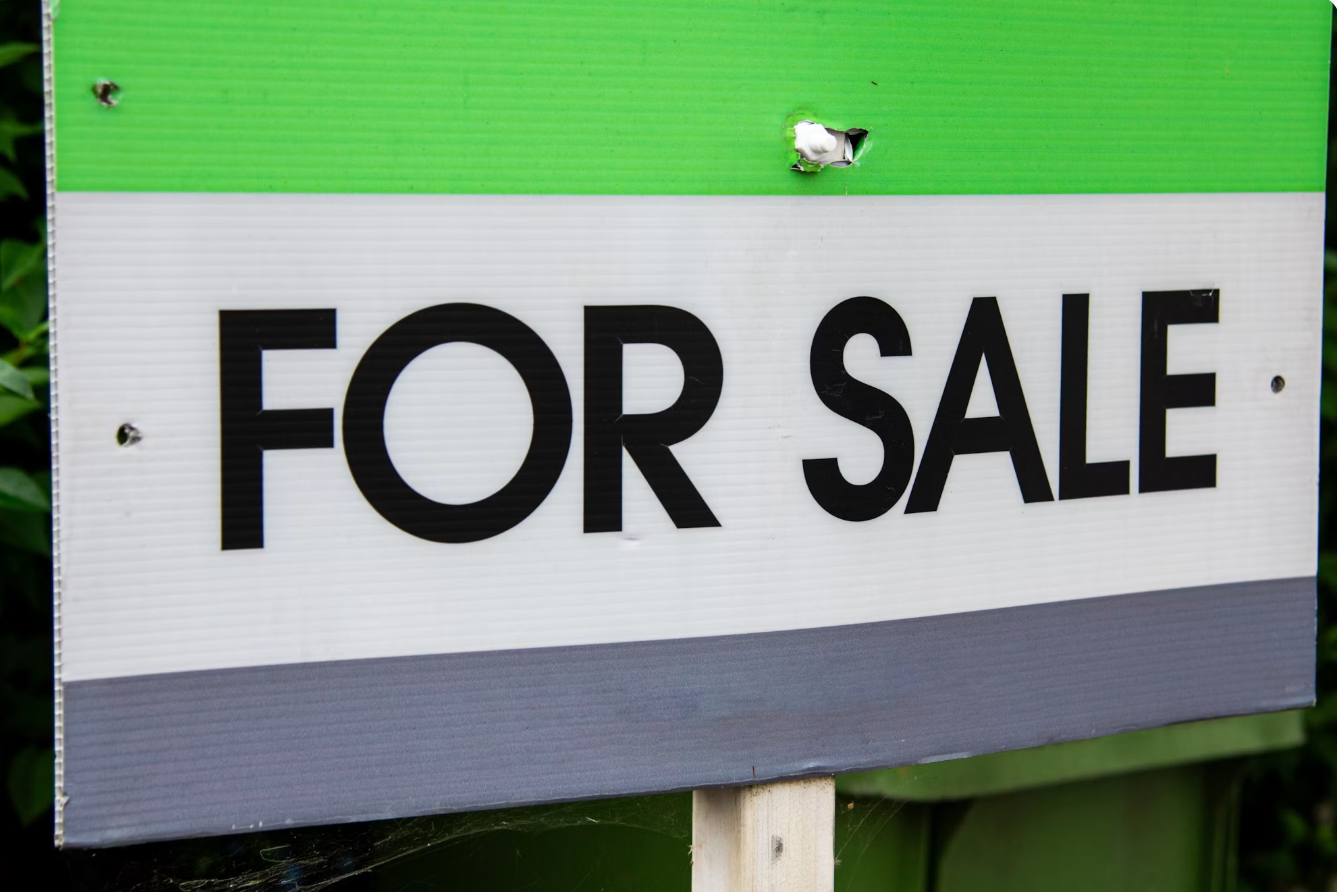
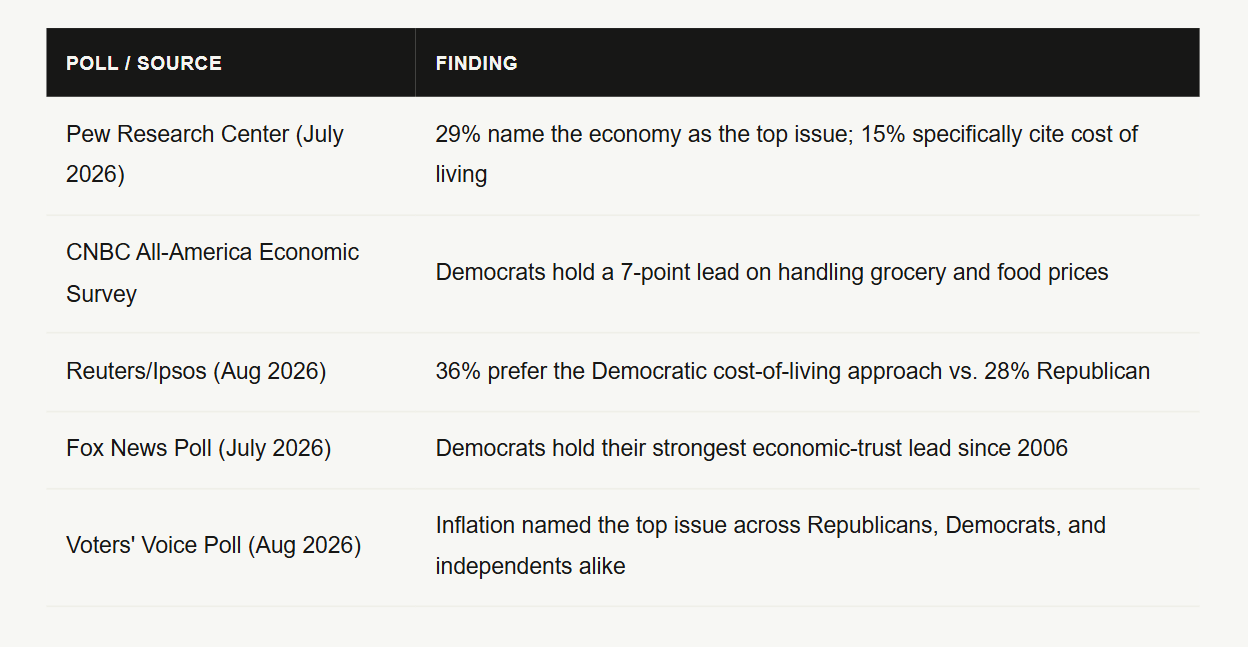
There's also a quiet structural jam that's making this worse: what economists have started calling the mortgage rate lock-in effect. Roughly 80% of homeowners are sitting on mortgages under 6%, and a huge chunk of those are locked in near 3% from the pandemic-era refinancing boom. Selling that home and buying a new one at today's rates would blow up their monthly payment, so a lot of would-be sellers are just... not selling. That keeps inventory tight, which keeps prices elevated, which keeps the whole cycle stuck in place. It's not one villain causing the housing squeeze. It's a handful of forces all pushing in the same painful direction at once. The renter's side of the story It's not just buyers feeling the pinch. Nearly half of all renter households were considered cost-burdened, meaning they're spending more than 30% of their income on housing, as of the most recent Census data. And with buying a home financially out of reach for so many, that's kept demand for rentals high, which has its own upward pull on rent prices in a lot of major metro areas. Where the Political Fight Actually Stands Here's where it gets genuinely interesting from a political standpoint: voters agree the problem is real, but they're split almost evenly on who's better equipped to fix it. A Pew survey found registered voters split 37% to 36% between Democrats and Republicans on which party they trust more on economic policy overall, functionally a coin flip. But when the question narrows specifically to grocery and food prices, a CNBC All-America Economic Survey found Democrats holding a clearer 7-point advantage. A separate Reuters/Ipsos poll backed that up, showing 36% of respondents preferring the Democratic approach to cost of living specifically, compared to 28% favoring the Republican plan. What's made this even more of a live political wire is how differently the two parties have chosen to talk about it. Democratic candidates have leaned hard into affordability as a central campaign message, a strategy that clearly worked for them in earlier 2025 races and one they're doubling down on this cycle. Republican messaging, by contrast, has been noticeably more dismissive. President Trump has publicly argued the word "affordability" was essentially invented by Democrats as a political weapon against him, at one point telling a rally crowd he'd already "won" on inflation. Vice President JD Vance drew sharp criticism after remarking that groceries simply "cost what they cost," a line that Democratic strategists and more than a few Republican consultants both flagged as tone-deaf given how squarely affordability polls as voters' top concern.
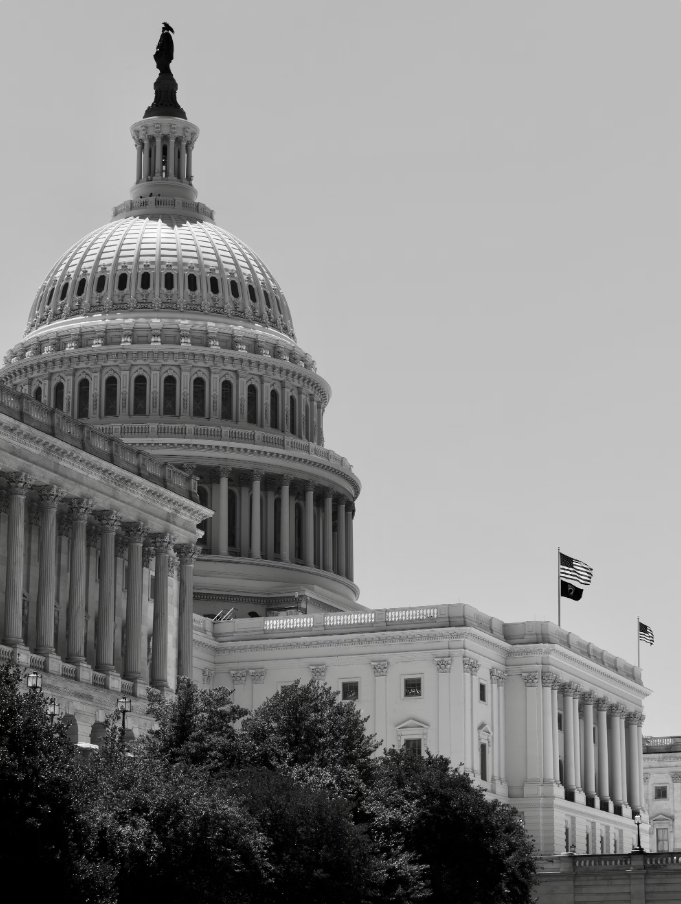
Why the timing is putting extra pressure on the GOP Control of Congress is genuinely up for grabs this cycle, with Republicans holding just a six-seat edge over Democrats across both the House and Senate combined, an unusually thin margin heading into a midterm year. Historically, midterms already tend to punish the party that holds the White House, and layering an affordability crisis on top of that dynamic is exactly the kind of combination that turns a normal midterm cycle into a genuinely competitive one. A Fox News poll from July 2026 found Democrats holding their strongest advantage on economic trust since 2006, a two-decade high that's hard to read as anything other than a warning sign for Republican strategists watching the map.
What Washington Actually Has the Power to Do About It
This is probably the most honest, if least satisfying, part of the whole story: the White House and Congress have surprisingly limited short-term levers to pull on affordability. Interest rates are controlled by the Federal Reserve, an independent body that doesn't answer to either party's political calendar. Global oil prices, which are currently elevated because of the war involving Iran, aren't something a domestic budget bill can simply legislate away. Housing supply takes years to meaningfully shift, no matter how aggressive a policy proposal sounds on a campaign trail.
That reality hasn't stopped both parties from putting forward their own competing visions for relief. Democratic proposals circulating in Congress have generally centered on targeted cost-of-living packages, expanded tax credits for families, and increased federal support for housing supply, while Republican counterproposals have leaned more on deregulation, energy production increases aimed at bringing gas prices down, and continued argument that existing tax policy already addresses the core problem. Neither side's plan is likely to move prices dramatically before voters head to the polls in November, which is part of why the debate itself, who gets blamed, who gets credit, and who voters trust to actually try, matters so much more than any single piece of legislation this cycle.
What to actually watch for between now and Election Day
Keep an eye on two things over the coming weeks. First, the next CPI report, due out September 11, will show whether that gradual cooling trend continues or stalls out, and either outcome will immediately get spun by both campaigns. Second, watch how candidates in competitive districts adjust their messaging in real time. The early signs already suggest Republicans in swing seats are quietly distancing themselves from the White House's dismissive tone on affordability, while Democrats are leaning harder into it with every debate and town hall they can find. In a midterm this close, with margins this thin, how each side handles the conversation happening at every kitchen table in America might matter just as much as any policy proposal on paper.